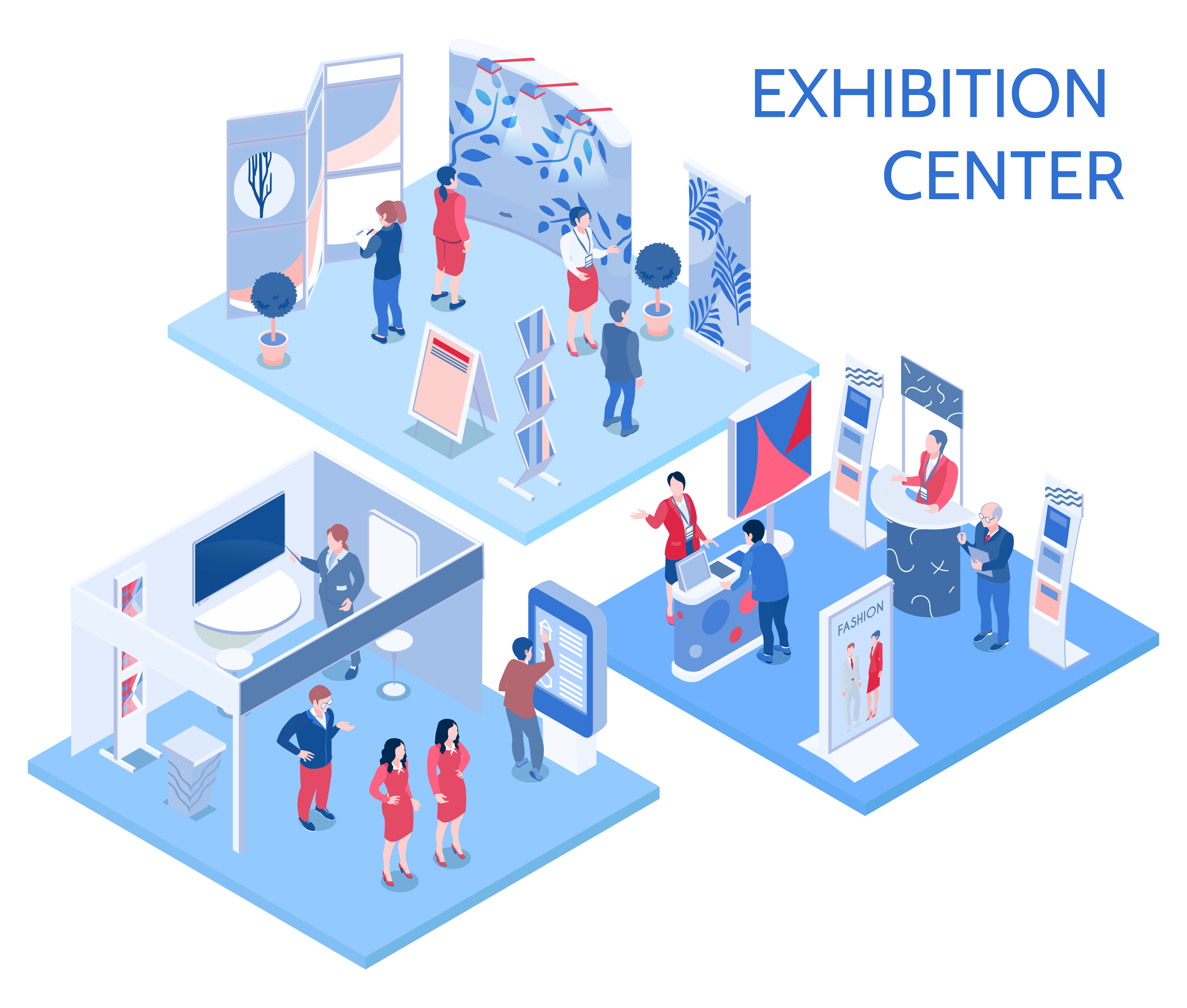
Exhibitions are more than professional networking spaces; in education they are powerful, hands-on learning arenas. Schools, universities, and training centers increasingly use exhibition display stands to let students present projects, share research, and run interactive demonstrations. A well-designed stand communicates clearly and teaches practical skills in layout, storytelling, and teamwork.
Why Exhibition Display Stands Matter in Education
In a classroom, ideas are often abstract; on the floor, they become tangible. When students prepare exhibition display stands for science fairs, art critiques, or career days, they learn to organize content, translate theory into action, and address diverse audiences. Educators see participation rise as visitors ask questions, test prototypes, and engage with visuals.
- Visual storytelling and information hierarchy
- Real-world presentation skills and public speaking
- Collaborative planning and time management
Types of Exhibition Display Stands for Students
1) Portable Banner Stands
Lightweight and affordable, banners are perfect for quick set-ups, individual projects, or traveling shows. They fit infographics, hypotheses, and summary findings without crowding a table.
2) Modular Display Systems
Modular walls and cubes reconfigure for multi-topic showcases. Teams learn spatial planning while curators build thematic zones and wayfinding. These exhibition display stands scale from a single bay to a full corridor.
3) Tabletop Display Boards
The classic science-fair format promotes clarity. Tri-fold boards, mounted prints, and sample artifacts create a focused narrative that’s easy to evaluate and compare.
4) Interactive & Digital Displays
Screens, tablets, and touch points add video, simulations, and AR layers. QR codes link to datasets, portfolios, or lab notebooks — extending the stand beyond the room.
Benefits for Learning & Employability
- Skill development: design, copywriting, and presentation.
- Engagement: interactive layouts encourage inquiry and feedback.
- Professional prep: students rehearse the job-fair environment with real constraints.
- Creativity: stands reflect personality, discipline, and research rigor.
Design Principles for Effective Exhibition Display Stands
- Message first: one sentence that states the point; subheads support it.
- Hierarchy: big title, readable subheads, economical body text (28/18/14px rule).
- Consistent grids: align edges; keep gutters even.
- Color with intent: neutrals for background, an accent for emphasis.
- Interaction: demos, samples, or prompts; QR for extended content.
Use Cases Across Disciplines
Science & Engineering Fairs
Poster-style exhibition display stands accommodate hypotheses, methods, and results with charts and photos. Keep captions direct and numbers large enough to read at 1.5–2 meters.
Art & Design Critiques
Modular plinths and walls support paintings, objects, and moving-image work. Lighting and neutral backdrops let the work lead while statements summarize intent and process.
Career & Portfolio Days
Stands double as micro-booths where students showcase portfolios, prototypes, and resumes. A clear call-to-action (link or QR) invites follow-up.
Planning & Logistics for Educators
Budget & Reuse
Start with a shared kit of exhibition display stands (banners + modular panels). Choose durable, reconfigurable hardware to support multiple shows per year and reduce printing waste.
Accessibility & Flow
Ensure 90–120 cm aisle widths, readable contrasts, and alt text on digital media. Place wayfinding at entries and intersections.
Student Roles
- Curator: theme and flow
- Designer: layout and print specs
- Producer: schedule and install
- Presenter: audience engagement
Sustainability
Use fabric skins, recycled boards, and modular frames. Prefer digital handouts over printed booklets.
Checklist: From Brief to Opening
- Define audience, message, and success criteria
- Select stand type(s) and grid layout
- Prepare content: title, 3–5 subheads, 6–8 visuals
- Run an A/B test print (scale 1:2) to check legibility
- Rehearse a 60–90-second verbal walk-through per student
The Future of Exhibition Display Stands in Education
Hybrid showcases blend physical stands with online galleries and 3D tours. As tools evolve, the core principle holds: exhibition display stands give students a clear, confident stage to make learning visible.